
Tunnel lighting is a visual adaptation problem
Drivers moving from a bright exterior into a tunnel need a carefully designed transition. The portal environment, traffic speed, stopping distance, tunnel geometry and surface reflectance all influence the design. An ordinary floodlight layout is not a substitute for a tunnel lighting study. Separate the specialist tunnel interior scope from approach roads, service yards and other exterior areas before discussing products.
Tunnel lighting is a safety-critical system whose requirements change through the threshold, transition, interior, and exit zones and with daytime conditions, speed, traffic, surface reflectance, and portal orientation. It must also coordinate with emergency power, controls, monitoring, fire-life-safety systems, cleaning, corrosion, access, and traffic-management procedures.
Separate interior engineering from exterior lighting
| Area or decision | Operational requirement | Design check |
|---|---|---|
| Entrance and threshold | Adaptation from daytime surroundings | Obtain portal luminance and traffic design inputs |
| Transition zone | Progressive visual adaptation | Specify staged or continuous control logic |
| Interior and exit | Road visibility and operational continuity | Review geometry, surfaces and maintenance assumptions |
| Approach and service areas | External vehicle and staff movement | Use a separate outdoor lighting calculation |
Visibility risks from the entrance to the exit
Entrance adaptation is underestimated
Drivers approaching a bright portal may not see objects inside a comparatively dark threshold zone. The required approach depends on site and operational parameters, not a generic interior lux value.
Spacing creates a disturbing flicker sensation
Repeated bright and dark patterns at vehicle speed can cause discomfort or distraction. Fixture spacing, distribution, output, and zone transitions require coordinated review.
Dirty surfaces change performance
Exhaust, dust, moisture, and cleaning intervals affect luminaire output and wall or road reflectance. Maintenance assumptions must be realistic for the tunnel operation.
Controls and emergency systems are disconnected
Daylight adaptation, traffic states, faults, emergency power, evacuation, fire response, monitoring, and manual override require an integrated control narrative.
Treat the tunnel as a sequence of controlled lighting zones
Use a tunnel-specific engineering brief
Confirm geometry, portals, approach conditions, speed, traffic, road and wall surfaces, operating states, applicable criteria, emergency systems, and authority approvals.
Design by longitudinal zone
Calculate threshold, transition, interior, and exit behavior as required, including dimming steps or continuous control and the relevant luminance-based criteria.
Coordinate spacing and visual rhythm
Review distribution, mounting position, spacing, output transitions, glare, lane visibility, and likely vehicle speeds as one system.
Plan safe maintenance access
Define cleaning, inspection, isolation, traffic closure, emergency response, corrosion protection, spares, monitoring, and documentation before procurement.
Specify the control and maintenance interfaces
A tunnel proposal should explain how measured exterior conditions translate into lighting stages, how sensors are maintained and what happens if a control signal is lost. Coordinate isolation, access restrictions, cleaning intervals and replacement work with the tunnel operator. Dirt accumulation and wall reflectance affect useful visibility, so maintenance assumptions belong in the calculation. Emergency lighting, evacuation systems and power continuity require their own specialist coordination and should not be inferred from the normal lighting layout.
Product options for tunnel lighting
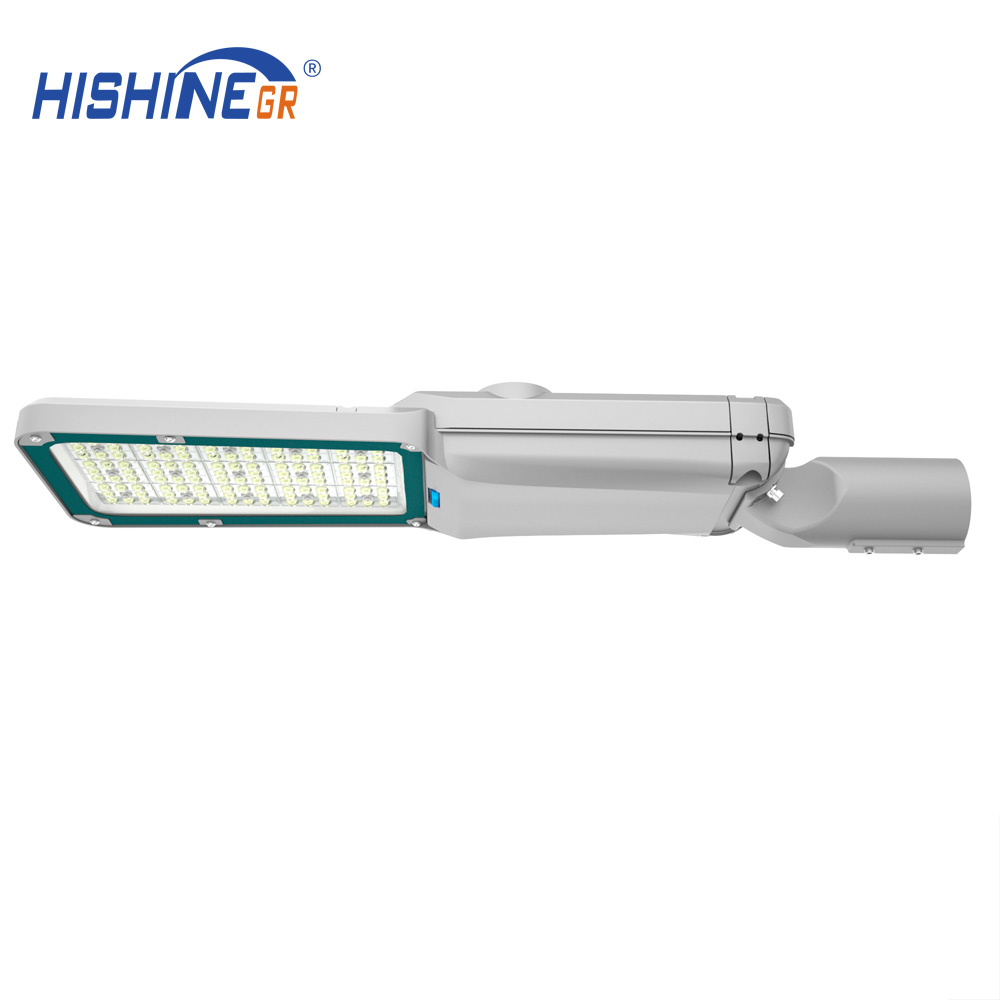
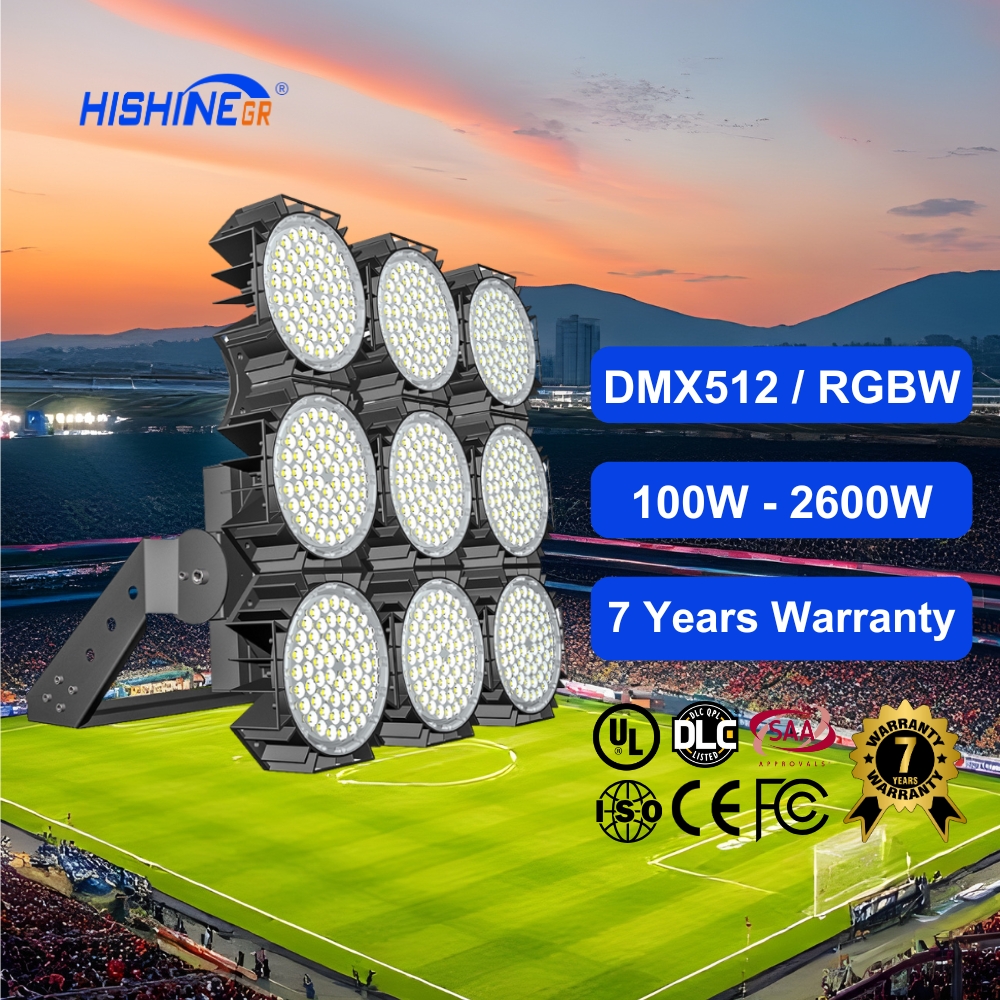
The current product selection has not established a dedicated tunnel-interior luminaire. Hishine Hi-Rise LED Street Light may be evaluated for exterior approach roads, while Hishine Hi-Robot LED High Mast Light may suit an external service yard with appropriate mast positions. The images below illustrate exterior candidates only; neither recommendation establishes suitability for threshold, transition, interior or emergency tunnel lighting.
Prepare the project brief and acceptance checks
Provide tunnel length and cross-section, direction of travel, speed, gradient, portal photographs, surrounding brightness information, pavement and wall finishes, traffic restrictions and the authority brief. Commission a qualified tunnel lighting designer to define the applicable criteria and acceptance process before finalising interior equipment.