Design baseball lighting for the diamond and the deep outfield
A baseball diamond combines short-distance precision at the plate and bases with long-distance ball tracking in the outfield. Model the actual fence arc, foul territory and any asymmetric boundary rather than using a generic rectangular sports-field model. The location of the backstop, dugouts and spectators should influence the layout from the first revision.
Baseball is not a rectangular-field lighting problem. The infield is compact and visually detailed, the outfield is broad and deep, and the ball can move quickly at ground level or rise high against a dark sky. Players in different positions look toward different parts of the field, so pole geometry and beam combinations require careful three-dimensional review.
Follow the ball through four different tasks
| Area or decision | Operational requirement | Design check |
|---|---|---|
| Plate and bases | Fast close-range movement | Check local visibility and equipment shadows |
| Infield-to-outfield throws | Changing player orientation | Review useful vertical light across the throw |
| High fly balls | Upward tracking against the sky | Inspect luminaire positions in critical views |
| Fence and foul territory | Deep running and boundary decisions | Include the real shape of the playing envelope |
High fly balls, foul territory and long throws
Infield and outfield needs are treated as equal
A single distribution or spacing rule rarely serves both zones. Bases, the mound, home plate, warning track, and deep outfield require separate calculation and aiming priorities.
High balls pass through glare zones
Outfielders and infielders look upward in different directions. Poorly located or aimed luminaires can sit behind the ball path and reduce contrast at a critical moment.
Long throws reveal weak vertical light
The ball and players must remain visible over distance, not only on the ground plane. Useful vertical illumination from multiple directions should be considered for competition and camera use.
Poles conflict with seating and foul territory
Backstops, dugouts, bleachers, fences, safety zones, and property boundaries constrain practical pole locations. Late structural changes can invalidate a completed calculation.
Separate infield precision from outfield reach
Model the true field geometry
Use the actual foul lines, bases, mound, outfield boundary, warning track, seating, and backstop rather than a simplified rectangle.
Combine throw distances and beam patterns
Coordinate narrow and medium distributions for long outfield reaches, detailed infield coverage, and transitions without creating concentrated bright patches.
Study high-ball sight lines
Review likely player positions and upward viewing directions. Aim and accessory decisions should reduce conflict between light sources and ball tracking.
Plan scenes and contingency
Training, competition, broadcast, cleaning, and security may require distinct levels. Competition projects may also require an agreed response to a fixture or circuit outage.
How to compare competing baseball proposals
Ask each supplier to use the same infield and outfield boundaries, maintenance assumptions and operating scene. Compare minimum values and distribution within each area rather than combining them into one average. Require a fixture schedule that identifies power, optics and orientation, plus a view-based review around the batter, catcher and principal fielding positions. If an existing structure is retained, confirm its condition and the loads of the proposed fittings independently.
Product options for baseball field lighting & outfield design
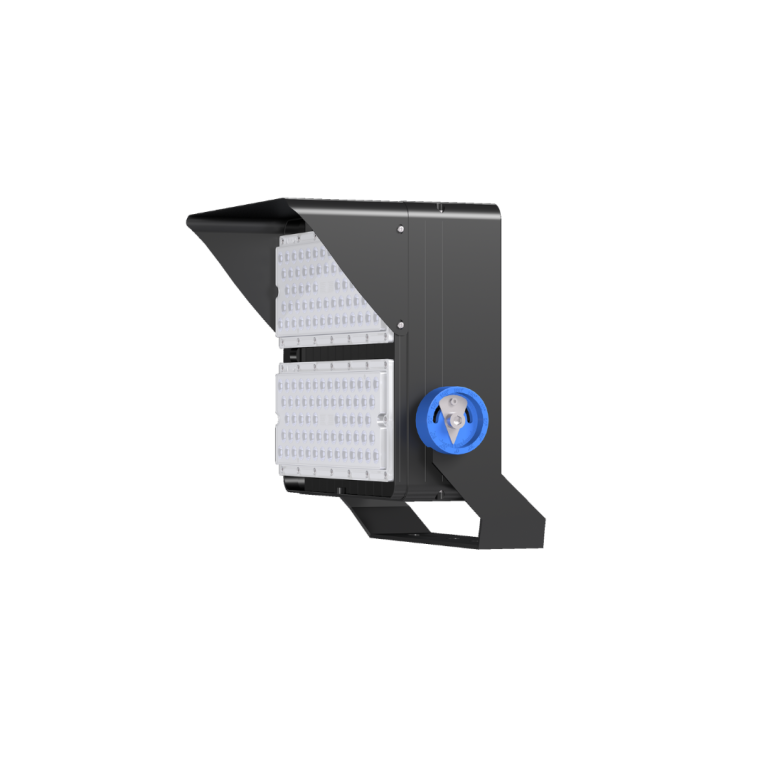
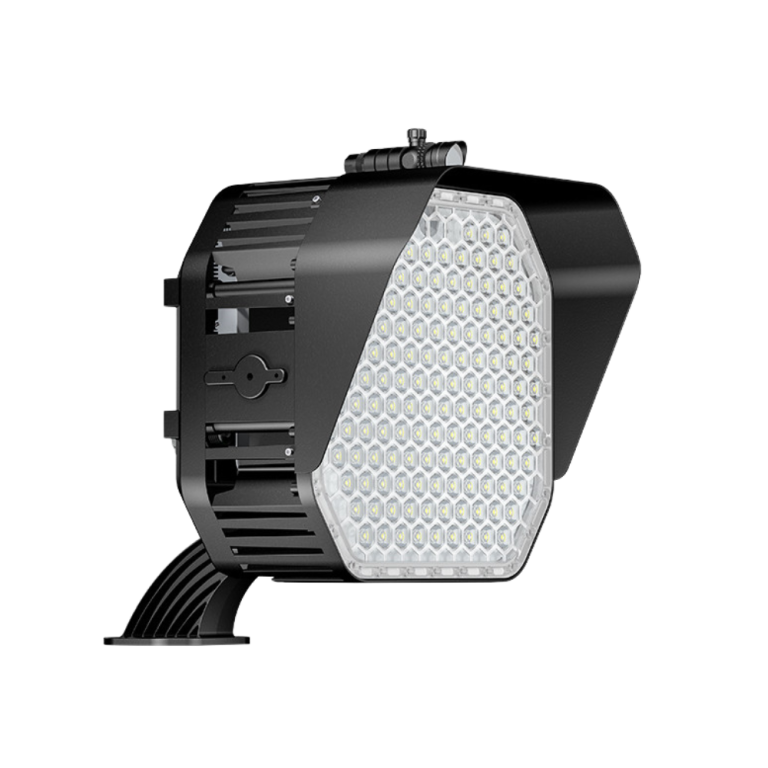
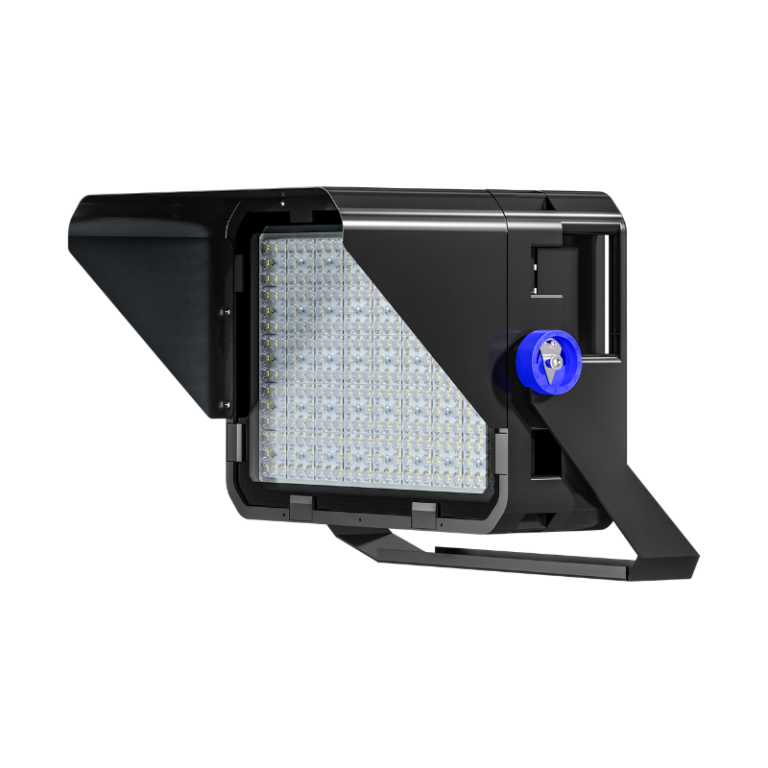
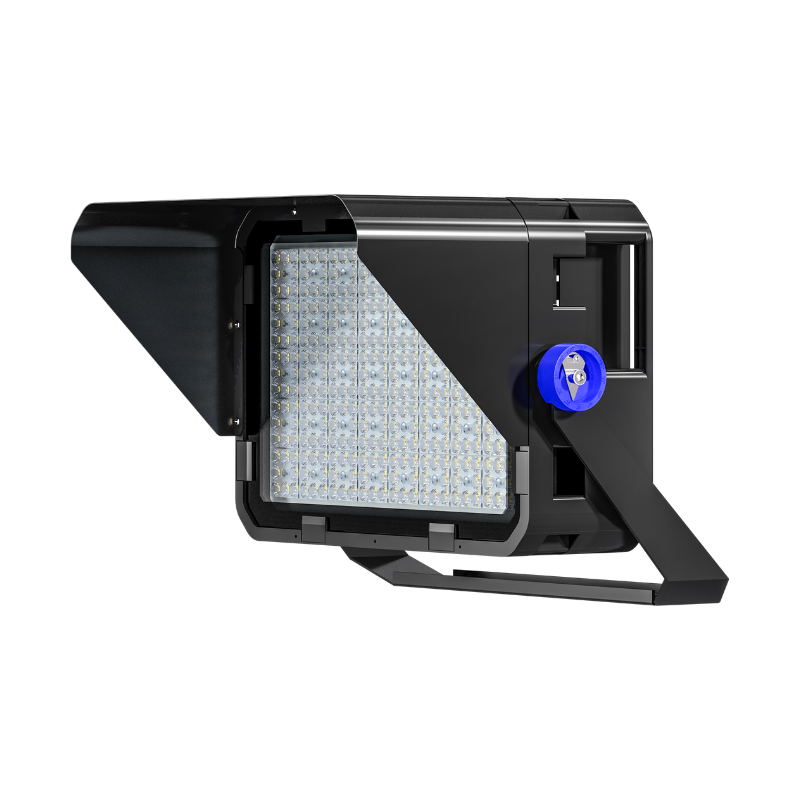
The optical choices of Hishine Hi-Shoot LED Stadium Light can be compared with Hishine Hi-Titan LED Stadium Light for different throw distances and mast positions. The design may require more than one beam family on the same mast. Each luminaire should have its own aiming reference; a single angle applied to the whole crossarm can leave deep areas weak or put excessive light on the infield.
Prepare the project brief and acceptance checks
Before acceptance, inspect the field with fences, screens and any temporary equipment in place. Verify the aimed installation against the approved schedule and test partial-use scenes so a practice arrangement does not leave an occupied part of the outfield unexpectedly dark. Send a scaled diamond drawing and fence dimensions with the project brief.