A stadium system for sport, cameras and venue operations
Stadium lighting is a coordinated infrastructure package. A change requested by the broadcaster can affect optics and driver selection; a change to the roof can affect mounting and maintenance; an event scene can change the control architecture. Assign an agreed design basis and revision process so each package uses the same assumptions.
A stadium lighting system must support sport, spectators, cameras, ceremonies, security, operations, and maintenance within one coordinated infrastructure. High output alone cannot satisfy these stakeholders. The project needs a traceable design basis, accurate optical data, defined control scenes, structural and electrical coordination, and commissioning records that remain useful throughout the venue life.
Separate the stakeholders’ acceptance needs
| Area or decision | Operational requirement | Design check |
|---|---|---|
| Sports operator | Playing-surface and athlete visibility | Agree the sport and level of use |
| Camera team | Vertical light and image quality | Document cameras, frame rates and test conditions |
| Facilities team | Access, replacement and isolation | Review service routes and spare configurations |
| Event production | Scene recall and control integration | Test the required interfaces before handover |
Where venue-wide lighting projects lose coordination
Requirements are reduced to one lux figure
Professional venues may need horizontal and vertical criteria, several camera directions, uniformity, glare limits, color quality, flicker performance, emergency behavior, and multiple operating scenes.
High-mast aiming is difficult to correct
Small field changes at long throw distances can materially affect coverage. If fixture identities, beams, brackets, and aiming references are not documented, commissioning becomes slow and subjective.
Controls are designed after the lighting
Broadcast, competition, training, cleaning, entertainment, and security scenes affect circuits, driver interfaces, addressing, network architecture, and operator workflow.
Maintenance and electrical risk are underestimated
Access equipment, mast lowering systems, surge exposure, heat, driver replacement, corrosion, and spare strategy influence availability and total ownership cost.
Coordinate photometrics, power and event control
Freeze a venue-wide design brief
Document sport levels, camera positions and frame rates, spectator zones, ceremonies, controls, emergency expectations, environmental exposure, and acceptance responsibilities.
Build a coordinated photometric model
Use verified geometry and current IES data to evaluate all required planes and zones. Record calculation settings and maintenance assumptions for comparison.
Integrate structure, power, and controls
Coordinate fixture loads, brackets, cabling, panels, surge protection, dimming protocol, networking, and access before procurement.
Commission against the approved schedule
Identify every luminaire and beam, verify aiming and scenes, record deviations, and retain final documents for operation and future maintenance.
Build a handover package that remains useful
Keep the issued photometric report, as-built fixture coordinates, aiming schedule, circuit diagram, control addresses and driver settings together. Give each installed fitting a durable identifier that matches the documents. Record software or scene changes and define how replacements will be checked for optical and electrical compatibility. If a mast or roof position becomes inaccessible after opening, resolve the service procedure before construction is complete.
Product options for stadium led lighting systems & project design
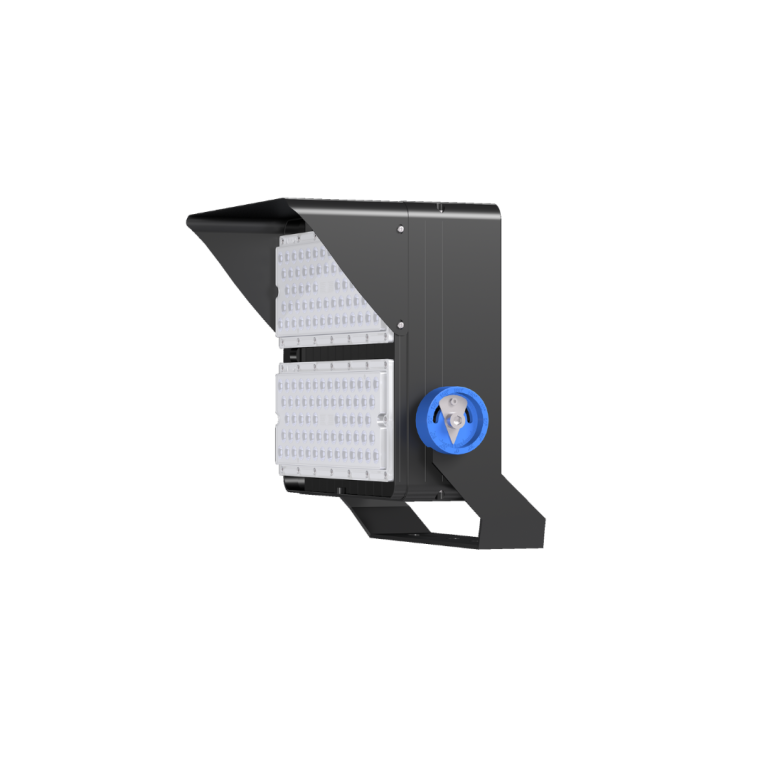
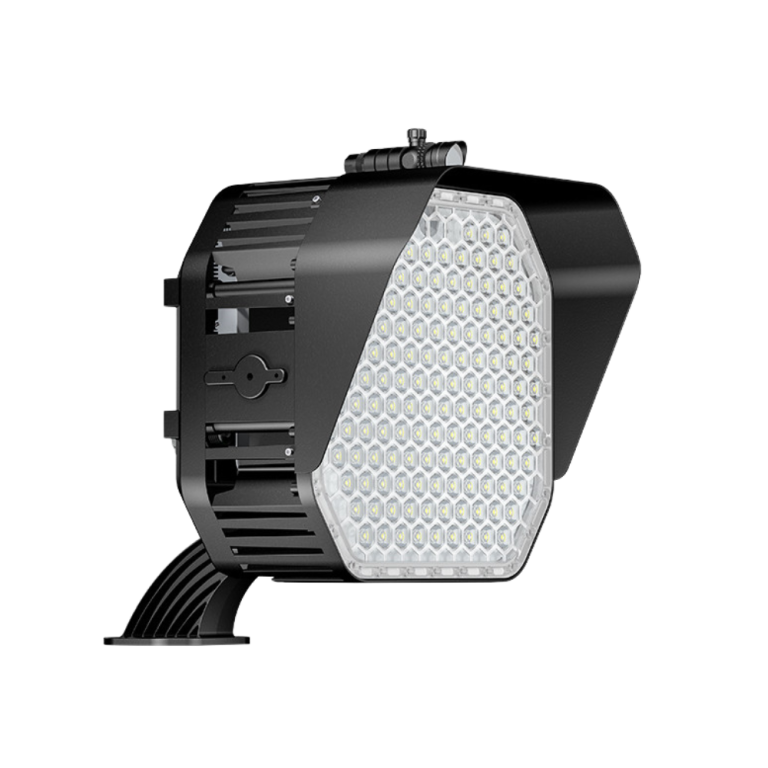
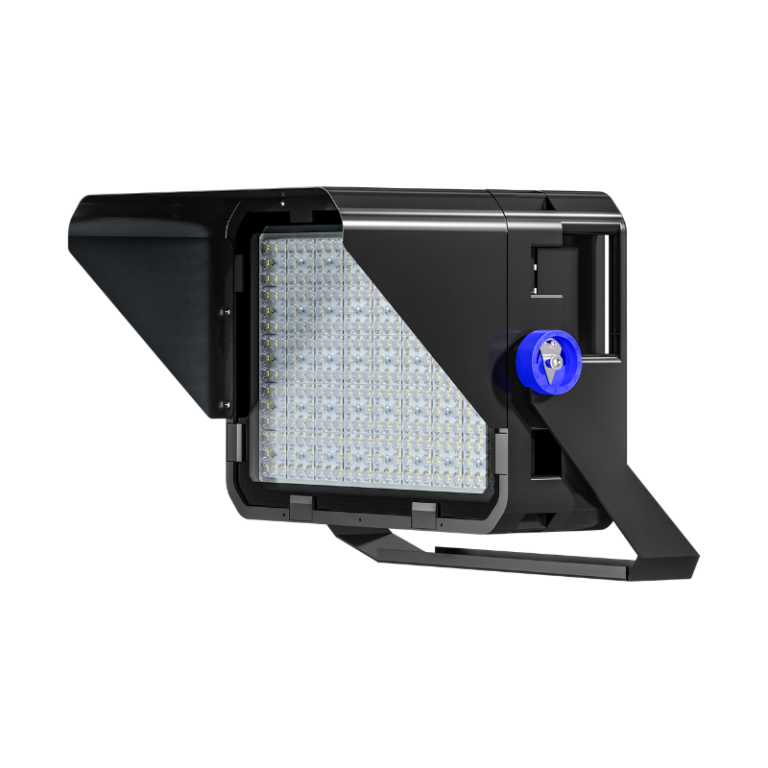
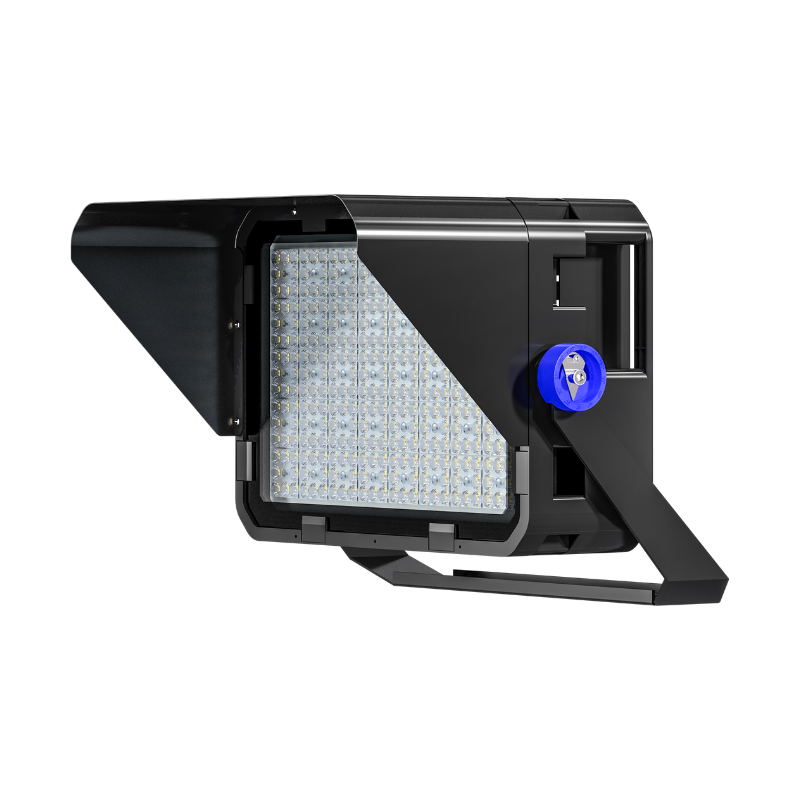
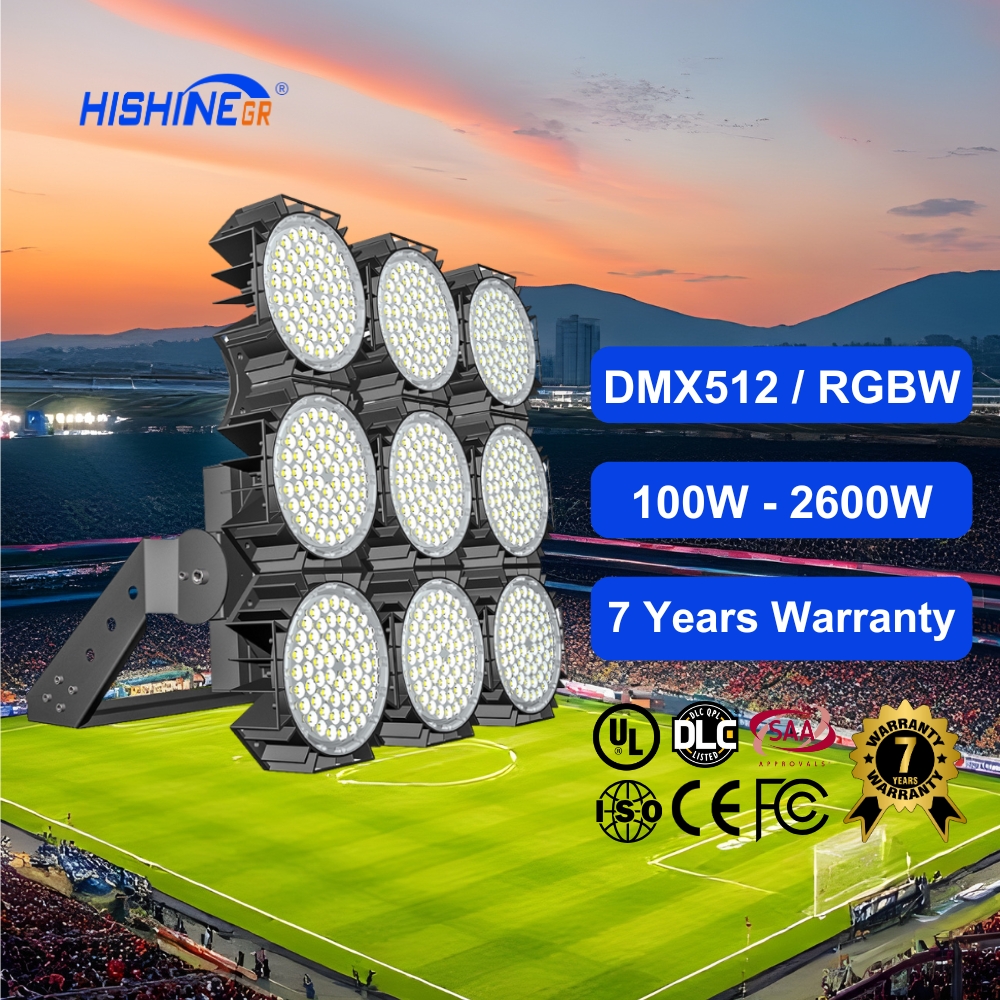
Hishine Hi-Titan LED Stadium Light offers configuration choices to evaluate for a venue requiring both sport and event control. Hishine Hi-Robot LED High Mast Light provides another high-mast candidate when its optical and mounting arrangement better suits the project. Any required broadcast, color, flicker or protocol performance should be confirmed for the exact ordered configuration, not inferred from the product family.
Prepare the project brief and acceptance checks
Use a witnessed scene test to check normal sport, event, cleaning and fault-recovery behavior. Compare measurements under the agreed conditions and document any field adjustments. Share the venue drawing, sport schedule, camera requirements and maintenance strategy to begin a coordinated proposal.