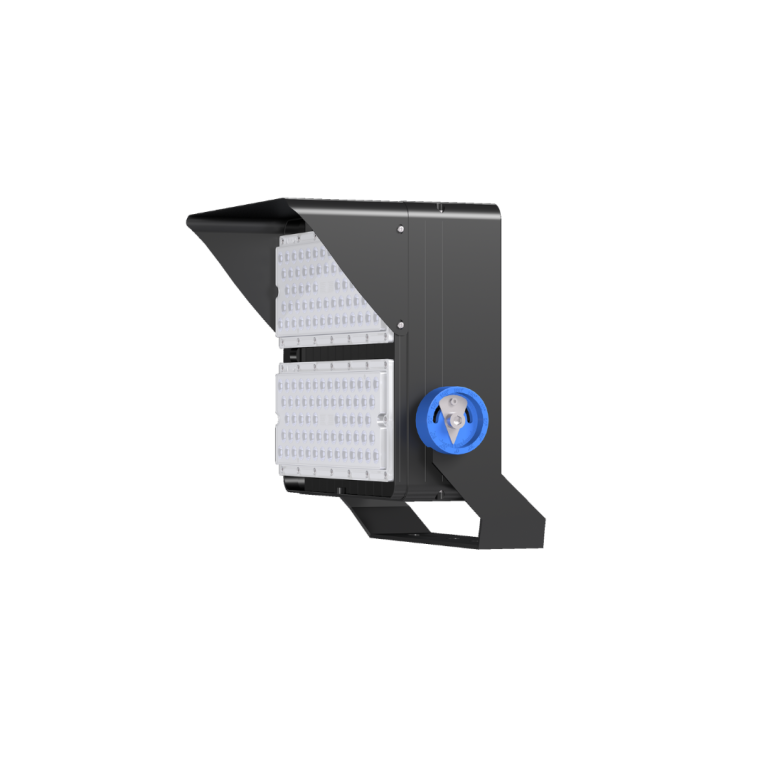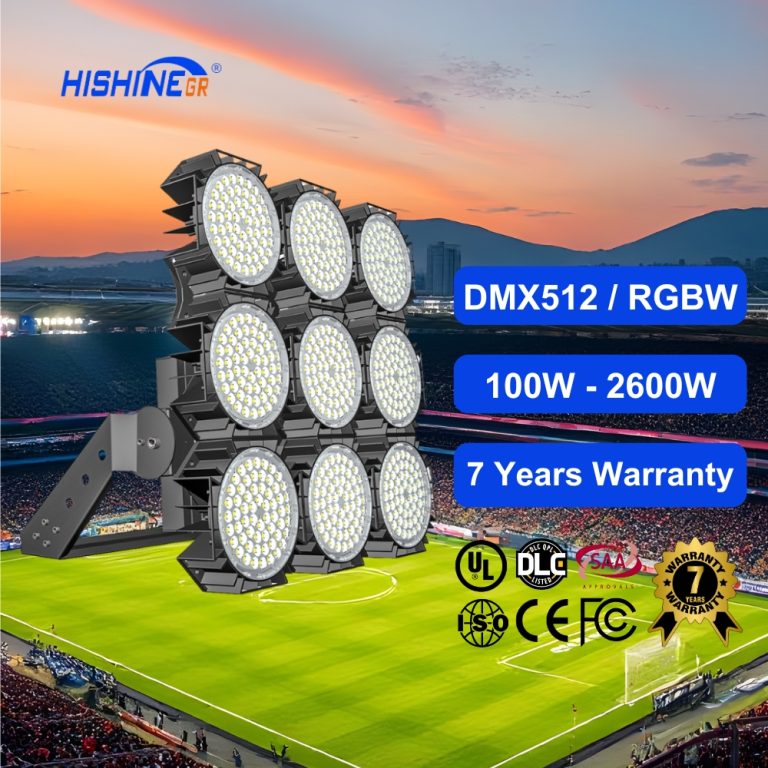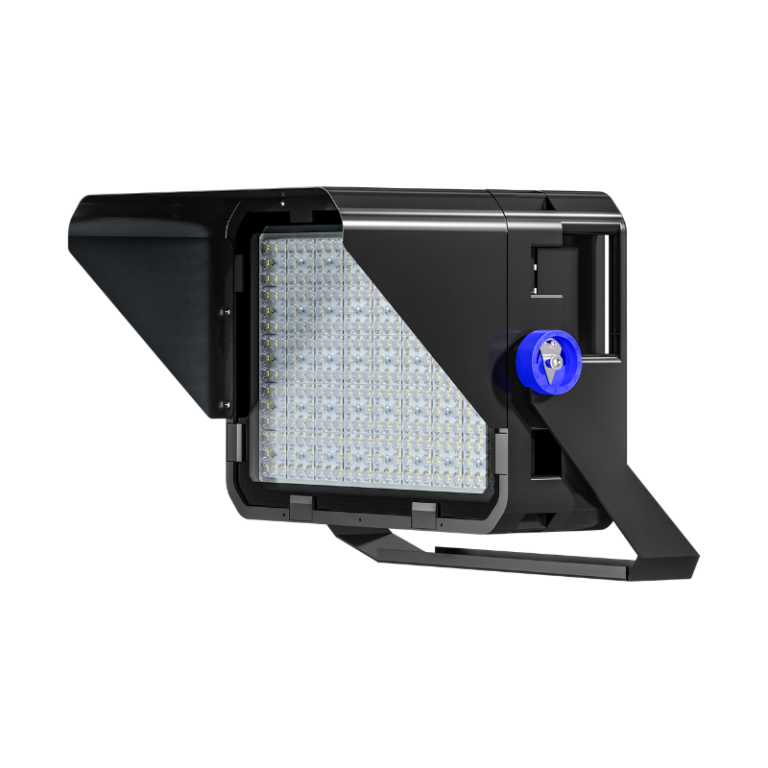
High-mast lighting is an optical and structural system
A high mast provides coverage from a small number of structures, but it also concentrates electrical, mechanical and maintenance decisions at each location. Start with the mast positions and the area that each is expected to serve. Review the optical reach together with wind loading, foundation design and the method of safely accessing the fittings.
High mast systems cover large areas from a limited number of tall structures. This can reduce ground-level obstacles, but long throws magnify aiming errors and place demanding loads on fixtures, brackets, electrical protection, and maintenance systems. The solution must coordinate optical performance with mast condition, wind, lowering equipment, access, and operating criticality.
Keep the responsibilities visible
| Area or decision | Operational requirement | Design check |
|---|---|---|
| Lighting designer | Select optics and individual aiming | Issue a fixture-by-fixture schedule |
| Structural engineer | Verify mast, brackets and foundations | Use actual equipment mass and wind area |
| Electrical designer | Coordinate supply and protection | Check circuits, isolation and surge strategy |
| Operator | Access and replace equipment safely | Agree lowering or elevated-access procedures |
Long throws, inaccessible equipment and loading limits
One beam leaves gaps or hot spots
Large sites usually contain near, middle, and far zones. Applying one distribution from every position can overlight the mast base while missing distant boundaries.
Aiming errors are amplified
Small angular differences at high mounting heights move the beam over a large ground distance. Clear fixture identification and repeatable aiming references are essential.
The mast and headframe are assumed suitable
Retrofits must check mast, lowering ring, brackets, projected area, weight, cable, winch, electrical condition, corrosion, and available mounting positions.
Maintenance risk is not priced
Access method, lowering reliability, traffic closure, spare drivers, cleaning, surge damage, and downtime can dominate lifecycle cost for critical yards.
Coordinate mast geometry before fixing the fixture count
Divide the site by throw distance and task
Map near, middle, and far zones, work areas, roads, boundaries, camera planes, and critical minimums before choosing distributions.
Build a beam and aiming schedule
Assign fixture model, power, beam, position, orientation, and target reference for every headframe location.
Verify structural and electrical compatibility
Confirm weight, projected area, brackets, wind conditions, cable, voltage, controls, surge strategy, and mast-lowering limitations.
Plan maintainability and resilience
Define access, inspection, cleaning, spares, circuit grouping, acceptable outage impact, and records needed after a fixture is replaced.
Why individual aiming records matter
At long distances, a small change in direction can move useful light outside the target area. Label each position on the headframe and give it a distinct aiming target. Record the approved tilt and orientation, the lens and the power setting. After installation, compare the as-built geometry with the model before making field adjustments. Keep neighboring roads, residences and camera viewpoints in the review, particularly where a fitting faces beyond the site.
Product options for high mast lighting design & led selection
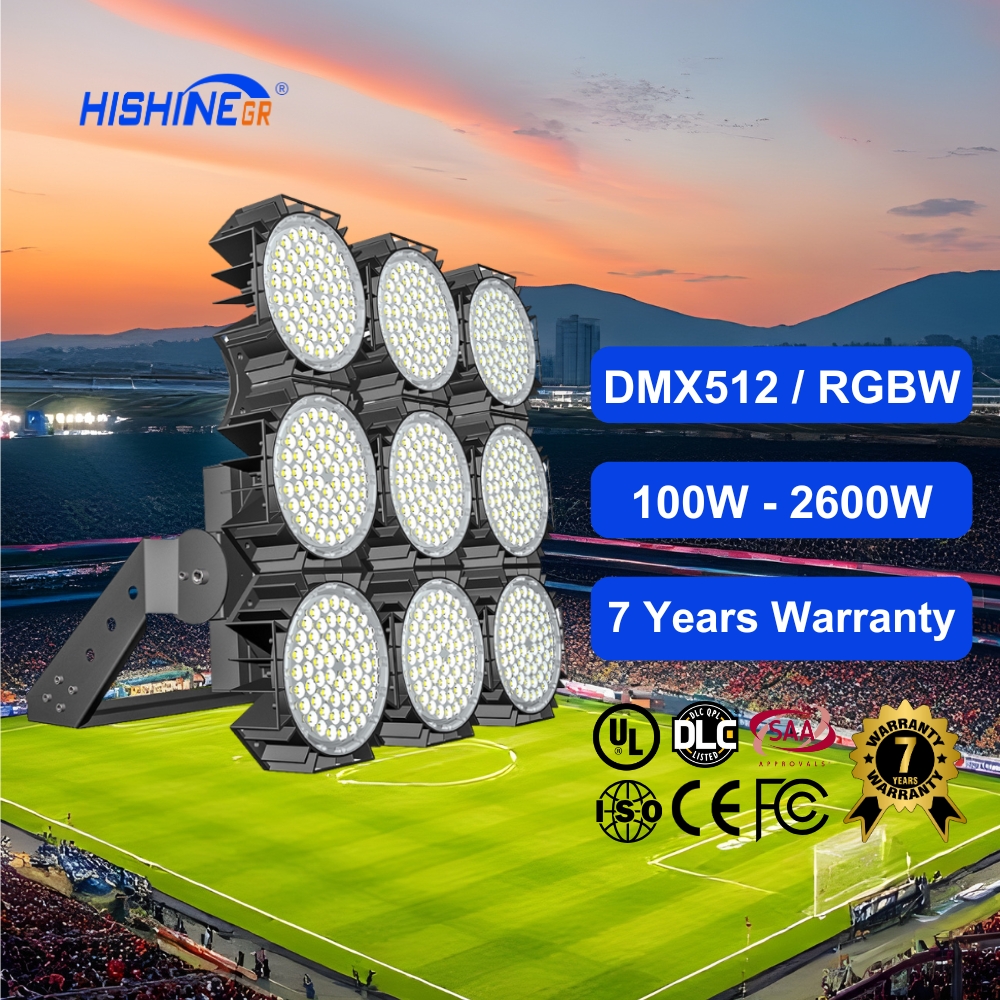
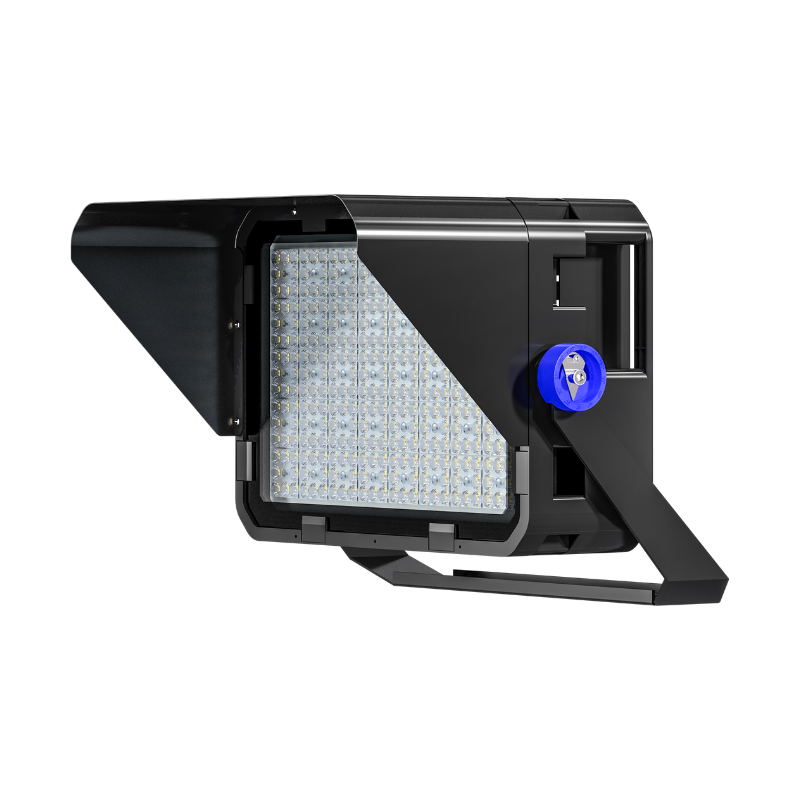
Hishine Hi-Robot LED High Mast Light and Hishine Hi-Titan LED Stadium Light can be evaluated for suitable large-area projects. Match the narrow and wider distributions to the required throw, rather than fitting every mast with identical lenses. Confirm the exact mounting hardware and configuration before the structure is approved; changes in fixture quantity can affect more than the lighting result.
Prepare the project brief and acceptance checks
Plan a maintenance strategy that includes isolation, inspection of fixings, cleaning and replacement compatibility. Photometric calculations do not certify the mast or foundation. Send the mast drawings, mounting interfaces, coverage boundaries and service constraints for a coordinated lighting proposal.