Port lighting must work with containers, cranes and salt exposure
A terminal layout changes throughout the shift. Containers are stacked, vehicles queue and cranes move between work positions. Model representative occupied arrangements, not only the empty pavement. Define whether each zone supports driving, reading identifiers, inspecting equipment or camera surveillance, since these tasks require different viewing surfaces.
Ports combine tall stacks, cranes, heavy vehicles, marine corrosion, high winds, long operating hours, restricted access, and critical security. The layout changes as containers and equipment move, so an empty-yard calculation is not enough. Lighting must support horizontal movement, vertical tasks, cameras, navigation around hazards, and maintainable high-mast operation.
Review the terminal by operating zone
| Area or decision | Operational requirement | Design check |
|---|---|---|
| Container stacks | Long aisles and tall obstructions | Test representative stack heights |
| Crane working areas | Moving equipment and changing shadows | Coordinate with crane-mounted lighting |
| Quayside routes | Drivers, workers and water-side boundaries | Review glare toward critical viewpoints |
| Inspection and gates | Identifiers and camera images | Evaluate useful vertical illumination |
Moving shadow corridors in a working terminal
Container stacks create deep moving shadows
Coverage that works in an empty yard can fail when rows are occupied. Light direction, mast height, and operating lanes should be evaluated with representative obstructions.
Drivers and crane operators face glare
High-output beams may align with vehicle approaches, elevated cabs, or crane sight lines. Visual comfort and contrast are essential around intersections and lifting zones.
Salt and moisture attack the system
Marine exposure can affect finishes, fasteners, brackets, connectors, seals, and electrical enclosures. The required corrosion protection must be confirmed for the exact site.
Maintenance competes with operations
Closing a berth, lane, or yard zone can be expensive. High-mast access, lowering systems, spares, isolation, cleaning, and inspection should be built into the lifecycle plan.
Design around the terminal operating pattern
Model representative operating conditions
Include container rows, cranes, buildings, ship-side zones, roads, gates, and camera positions rather than calculating a bare rectangle.
Protect operator sight lines
Review truck approaches, crane cabs, control rooms, and pedestrian crossings when setting mast locations, beam assignments, and tilt.
Specify the marine environment explicitly
Confirm distance from saltwater, corrosion category or owner specification, wind, temperature, moisture, washdown, vibration, and maintenance interval.
Coordinate uptime and controls
Define operational zones, safe minimums, emergency behavior, outage tolerance, remote monitoring expectations, and a practical spare strategy.
Combine photometric design with a service plan
Agree how fittings will be accessed without disrupting container movements or entering an active lifting area. Maintenance windows can be shorter than in an ordinary car park, so spare assemblies, isolation and the repeatability of aiming matter. Identify which operational zones remain available during a mast outage and review the resulting shadows rather than assuming adjacent masts provide sufficient coverage.
Product options for port & container yard lighting
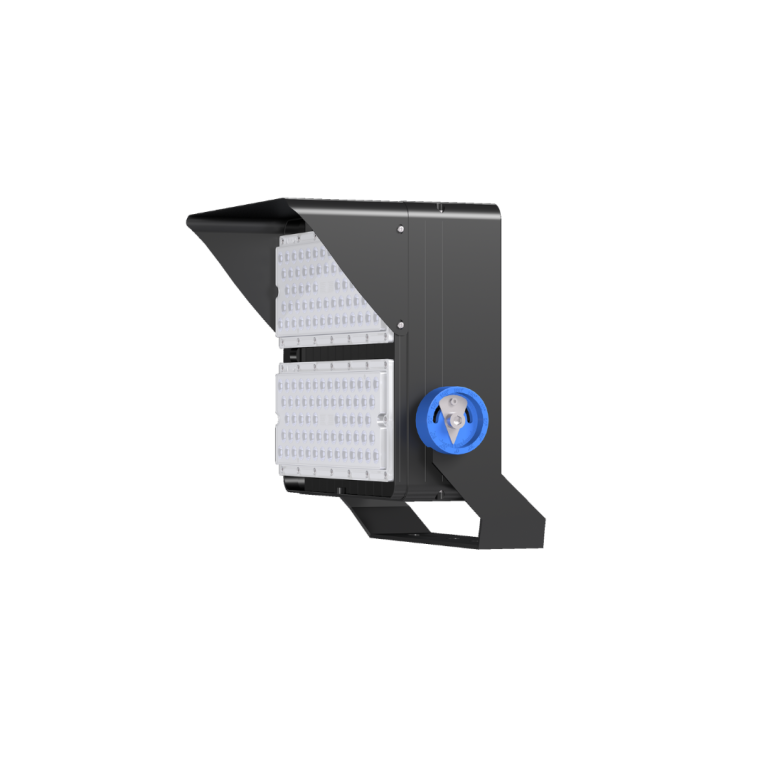
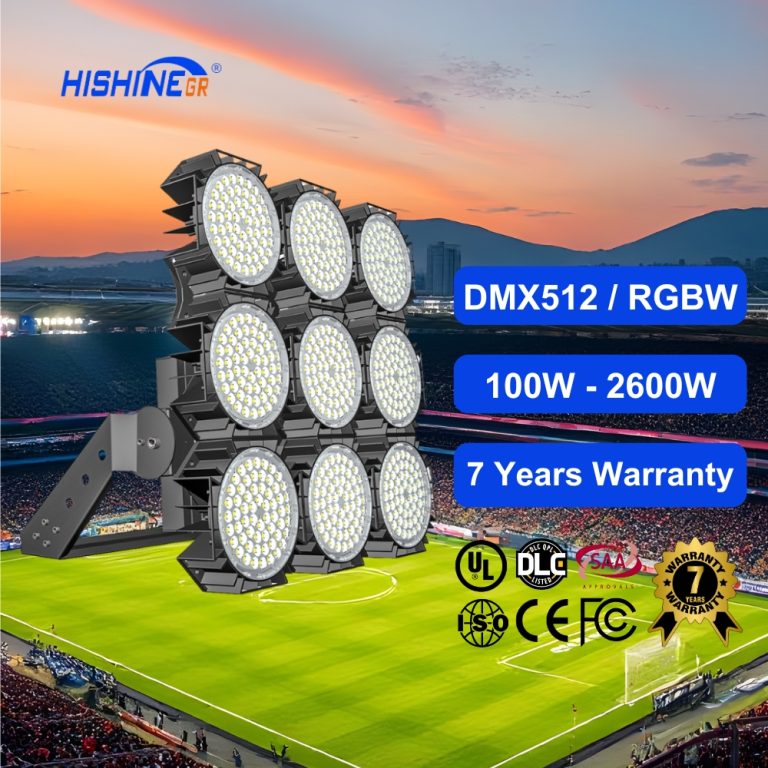
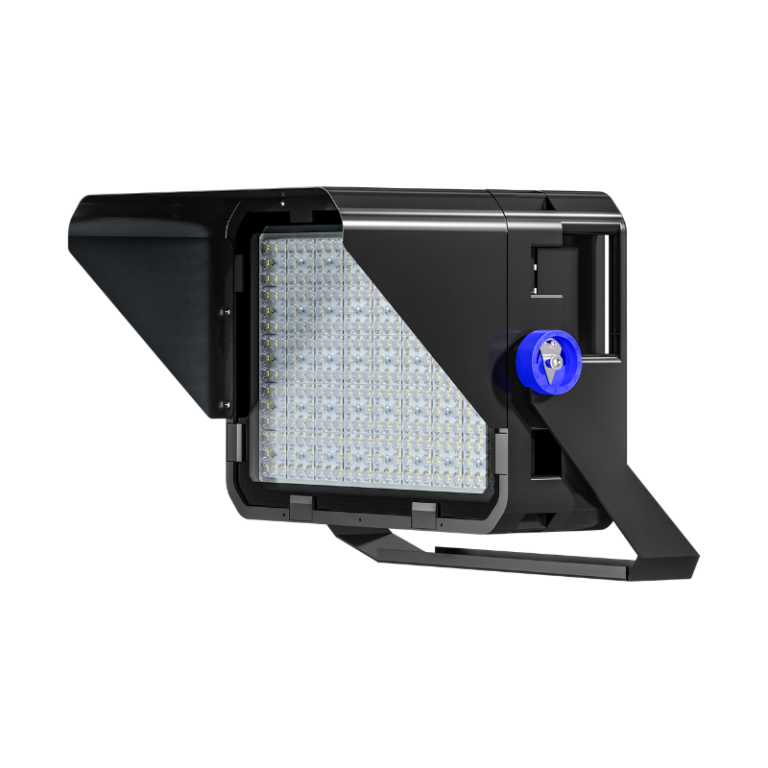
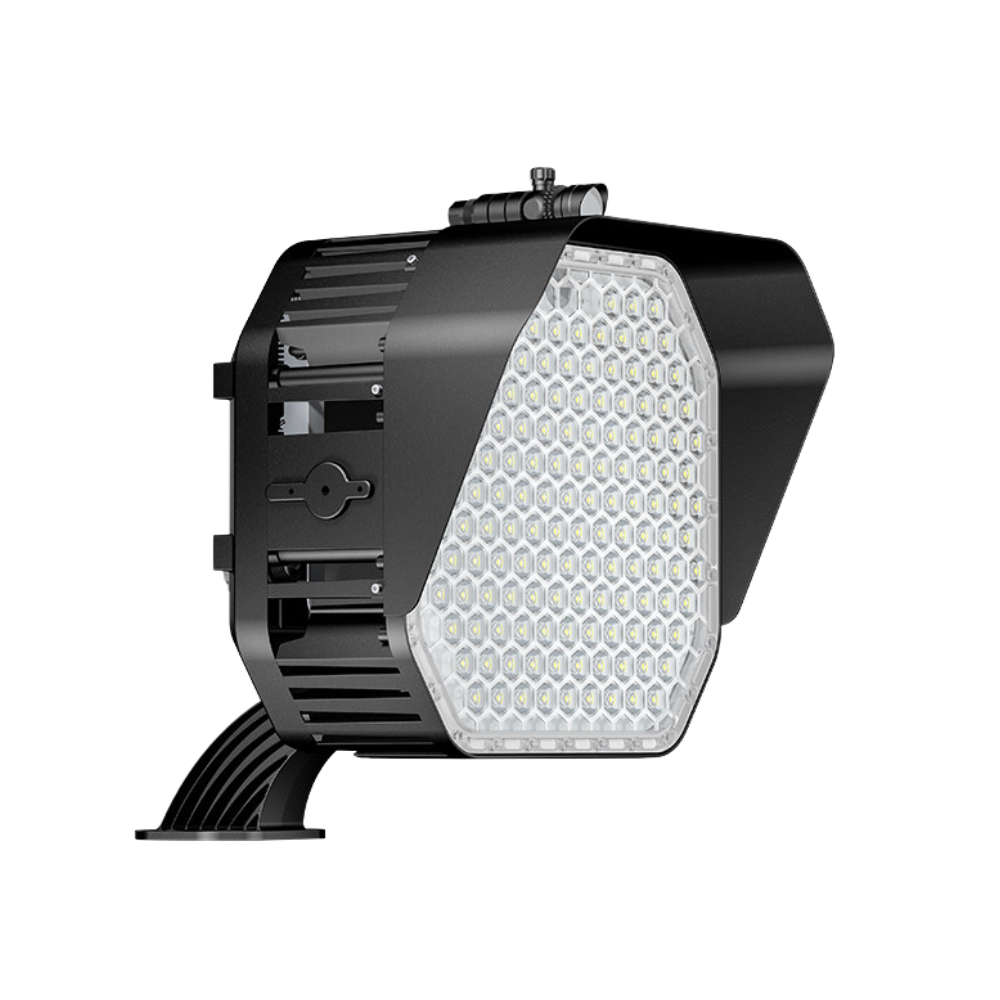
Evaluate Hishine Hi-Robot LED High Mast Light or Hishine Hi-Shoot LED Stadium Light for suitable high-mast positions. Their use at a port requires confirmation of the finish, corrosion exposure, mounting and electrical configuration. An IP rating describes ingress protection; it is not a substitute for evidence of suitability for salt-laden or chemically aggressive environments.
Prepare the project brief and acceptance checks
At handover, inspect a representative loaded arrangement and review camera exposure with the security team. Retain the exact lens and aiming schedule for replacements. Provide the terminal plan, container heights, crane envelopes, environmental conditions and operating restrictions to support a project-specific proposal.