Public lighting procurement needs evidence that matches the proposal
A government outdoor-lighting project may include roads, paths, parking and remote locations within one procurement package. Separate these applications before selecting products. Define the required evidence, acceptance process and maintenance responsibilities in language that bidders can price consistently. The aim is a proposal whose drawings, product schedule, calculations and supporting documents refer to the same configuration.
Government outdoor lighting may cover roads, parks, civic spaces, campuses, public facilities, security zones, parking, and solar infrastructure. Procurement must translate public outcomes into measurable technical requirements while keeping competition fair, documentation traceable, lifecycle cost visible, and delivery and acceptance practical. Unsupported performance claims create risk for both buyer and supplier.
Create a traceable procurement package
| Area or decision | Operational requirement | Design check |
|---|---|---|
| Application schedule | Different road and pedestrian tasks | Assign criteria and calculation areas to each zone |
| Product configuration | A precise model and optical selection | Match documents to the offered variant |
| Lifecycle comparison | Energy, access and replacement costs | State hours, tariffs and maintenance assumptions |
| Acceptance and handover | Clear evidence of completion | Define records, tests, training and asset data |
Unclear tender assumptions create expensive substitutions
Specifications copy one product without defining outcomes
Overly narrow or inconsistent wording can reduce competition while still failing to state the required photometric, electrical, environmental, control, documentation, and service results.
Tender comparisons use headline values
Wattage, efficacy, warranty years, or battery capacity can be misleading without test basis, configuration, tolerances, operating profile, exclusions, and project calculation.
Delivery documents arrive after approval
IES files, datasheets, certificates, drawings, samples, controls, warranties, and test reports should follow an agreed submittal schedule with revision control.
Acceptance cannot distinguish design and installation issues
Without approved calculations, product schedules, aiming, settings, sampling method, and responsibilities, site disputes become difficult to resolve.
Translate the authority brief into a verifiable schedule
Write performance-based requirements
Define application zones, measurable criteria, environment, electrical and control needs, documentation, quality evidence, service, delivery, and acceptance without relying on unverified marketing language.
Use a controlled technical submittal
Require exact model and configuration, current datasheet, IES file, calculation, drawings, certificates as applicable, deviations, warranty terms, and sample or approval process.
Evaluate lifecycle and delivery risk
Compare energy, controls, maintenance, cleaning, battery or driver replacement, spares, logistics, schedule, packaging, training, and after-sales response.
Plan commissioning and records
Define inspection, product identification, installation checks, aiming, control tests, representative measurements, defect handling, handover data, and asset records.
Control substitutions before they reach the site
A change in optic, driver, power, control protocol or mounting accessory can affect the calculation and the maintenance plan. Require a revision record that identifies the changed item and supporting evidence. Evaluate cost using the same operating hours and service assumptions for every bid; an attractive unit price can conceal additional civil work or difficult maintenance. Include training, spare references and as-built asset information in the deliverables so the operating team can maintain the installed configuration after the procurement team has moved on.
Product options for government outdoor lighting
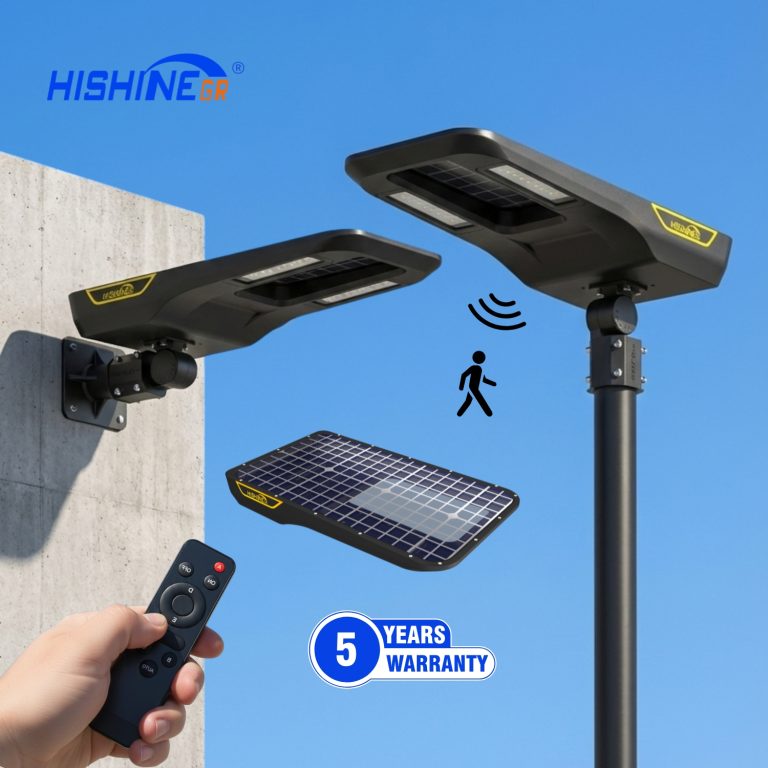
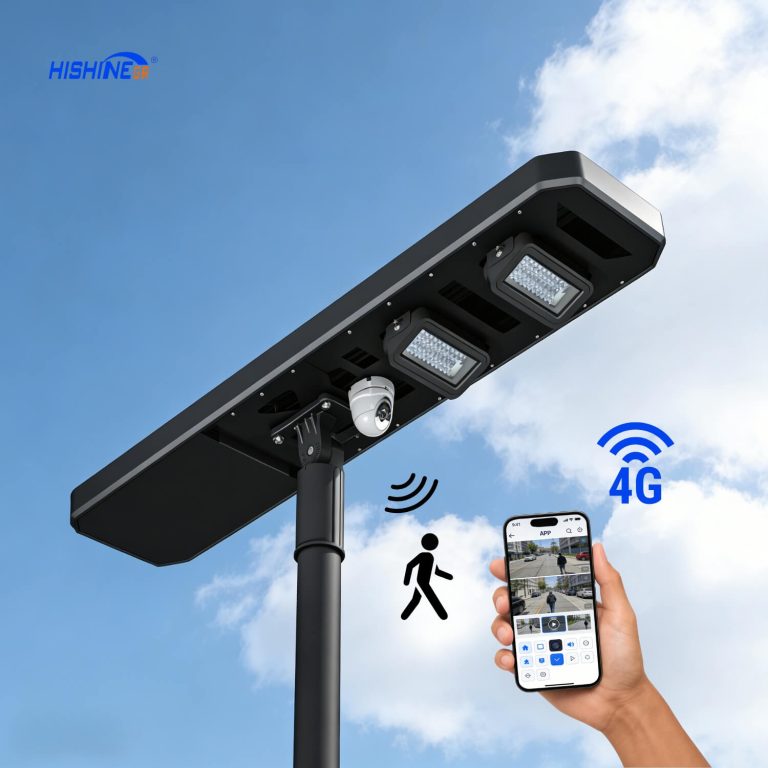
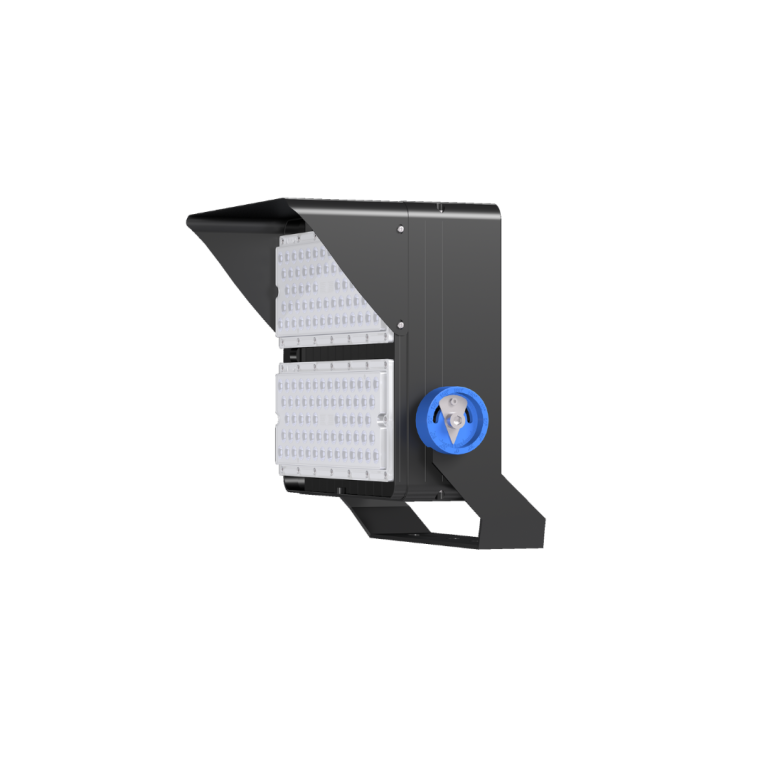
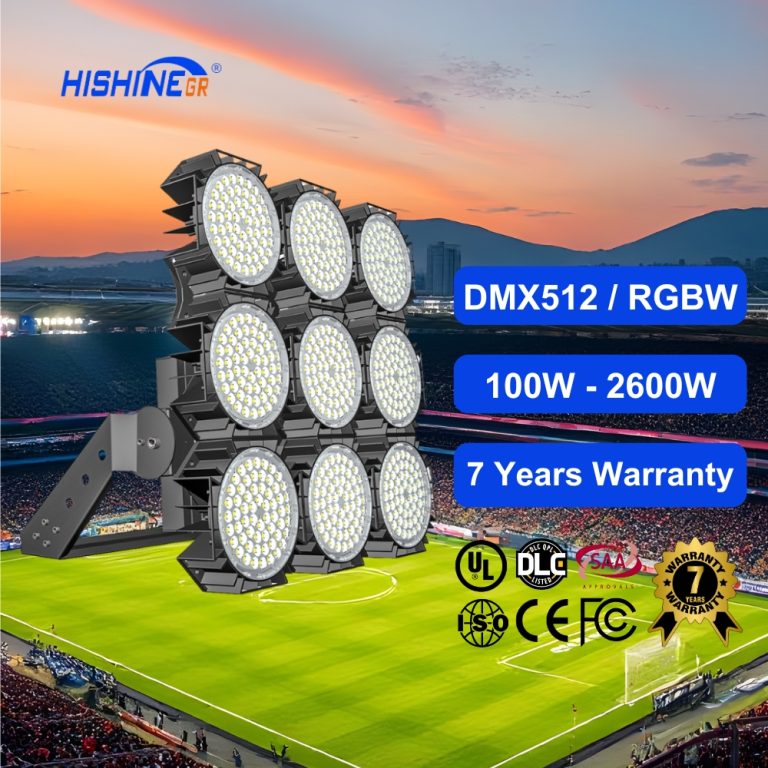
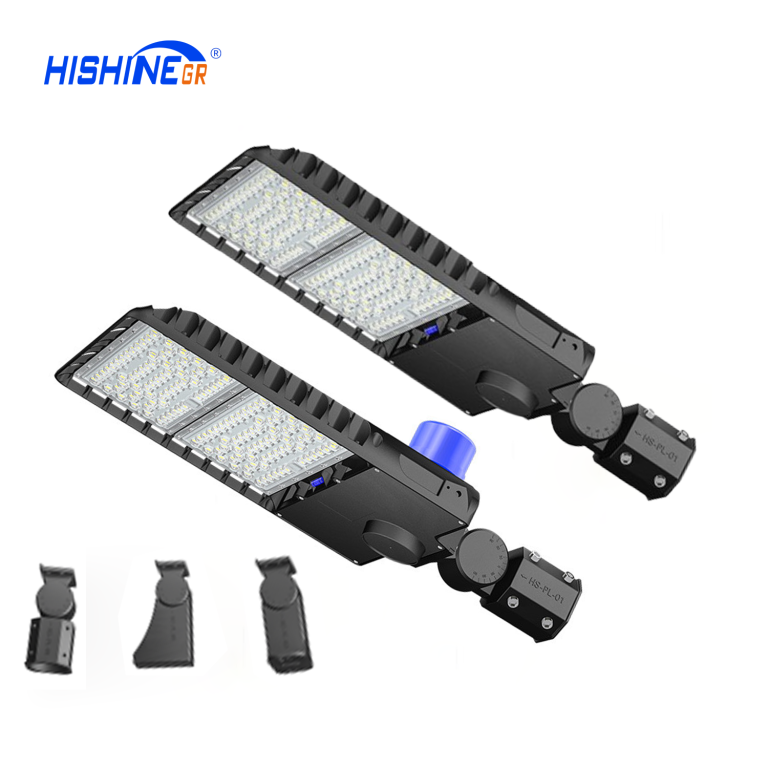
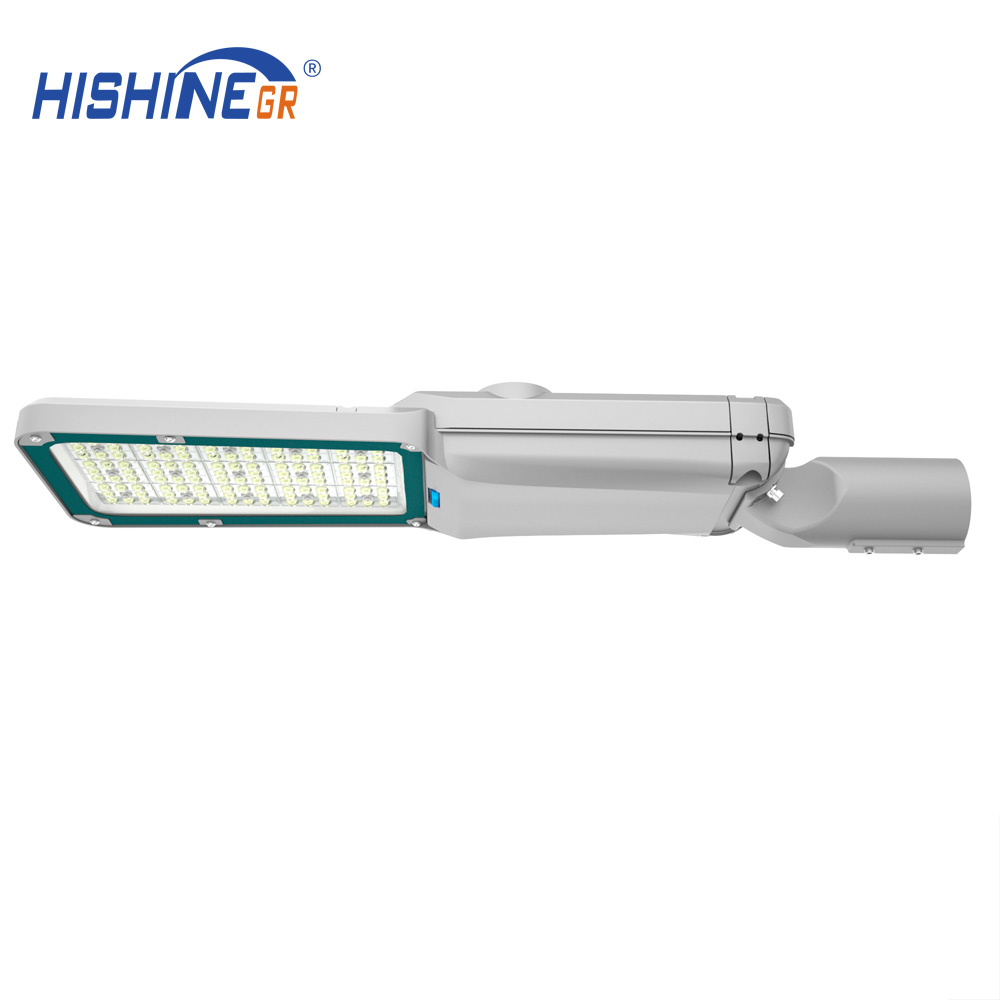
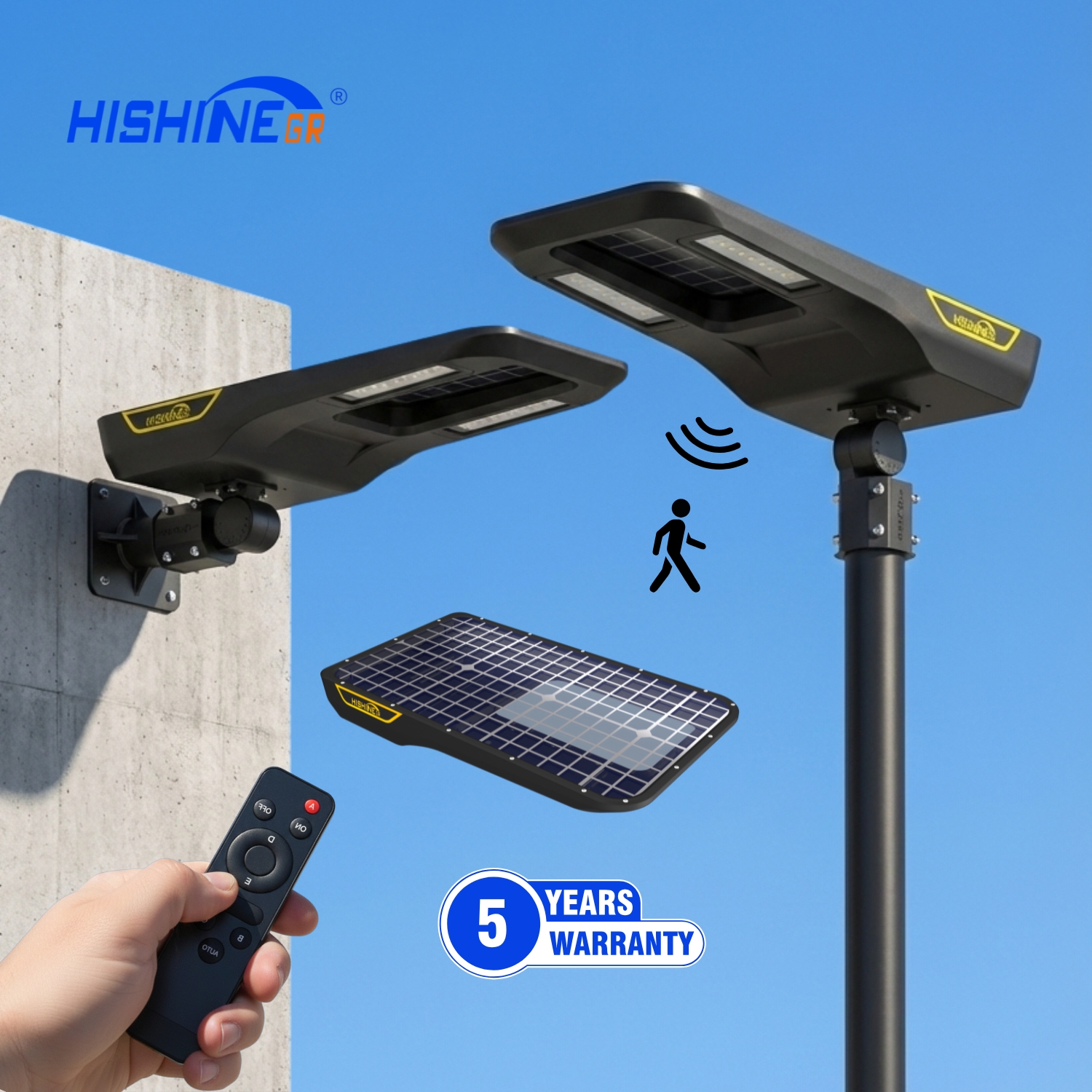
Compare Hishine Hi-Rise LED Street Light for appropriate powered roadway sections and Hishine E Series All-in-One Solar LED Street Light where an independently assessed solar system suits the site. Selection does not establish eligibility for a particular tender. Request the required current documentation for the exact offered model and assess it against the procuring authority’s specification.
Prepare the project brief and acceptance checks
Provide the tender brief, application drawings, approved criteria, required documentation, delivery phases and acceptance responsibilities. Ask for a configuration schedule with clear exclusions and open assumptions. Retain approved revisions, commissioning records and warranty terms supplied for the actual order.